
Oi, como podemos ajudar?

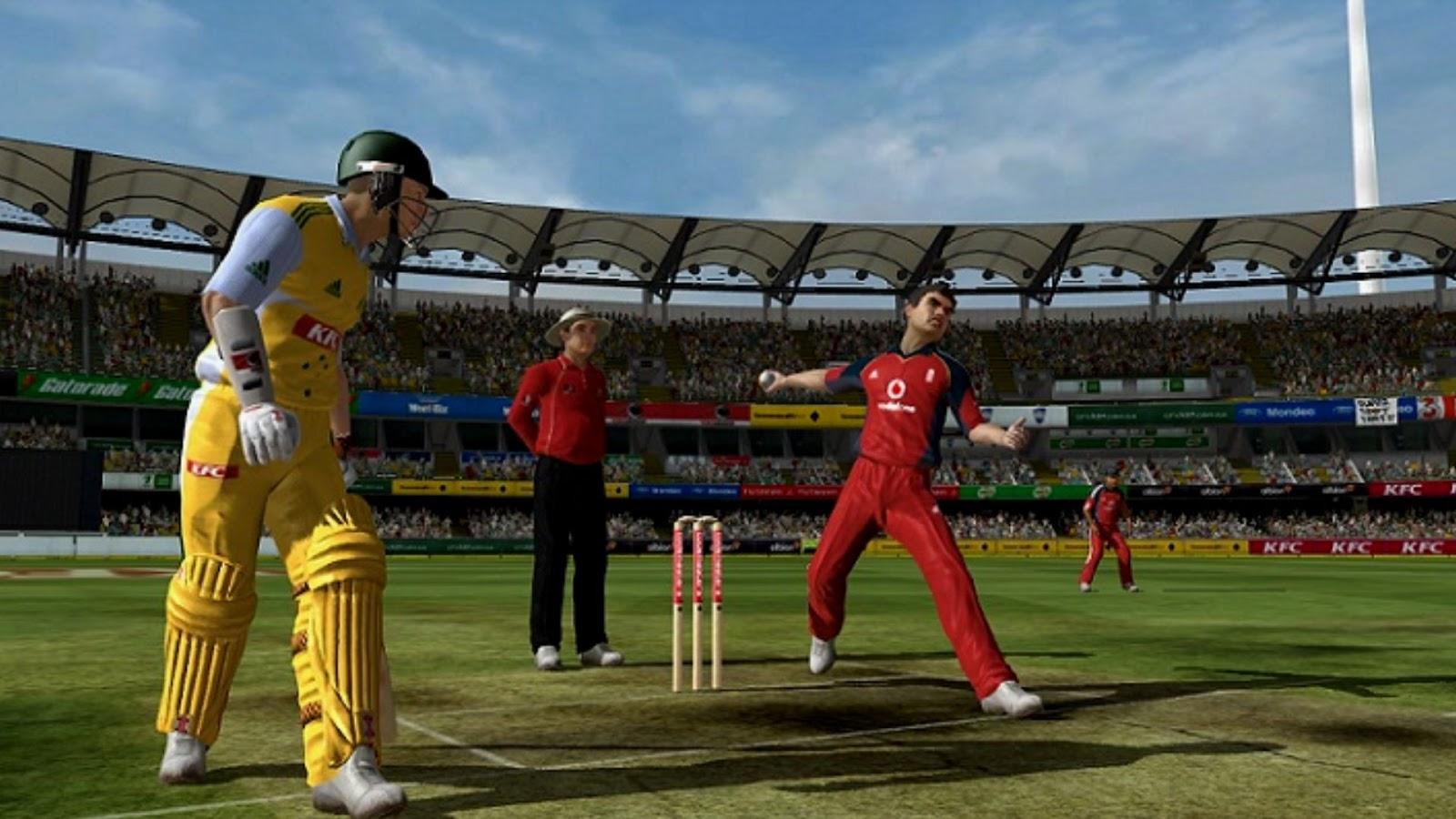
Indian cricket is a intricate tapestry woven from various forms, each providing distinct approaches and skills. Comprehending the functions of participants, the intricacies of batting and pitching techniques, and the impact of conditions is crucial for achievement. This resource investigates these complexities, exposing the mechanics that support each variation of the game. By unraveling these elements, one can better understand the craft of cricket and how it shapes the essence of the game in India. cricket road game casino

Although cricket may seem complex at first, grasping its fundamental terms and principles is vital for both athletes and enthusiasts alike. Important phrases such as “bowler,” “batsman,” and “wicket” capture the sport’s essence. The pitcher, aiming to out the batter, delivers the ball from the other end of the pitch. The batter guards their stumps, trying to score runs by hitting the ball. A “run” is achieved by the hitters running between the wickets; a edge achieves instant scores if the ball goes over the boundary of the ground. Importantly, cricket’s special method of scoring, involving overs and rounds, determines game strategy. Acquaintance with these principles improves enjoyment for the sport, rendering the cricketing experience more fulfilling for all supporters.
Comprehending the various player functions and placements in cricket is essential for both strategic play and individual success. Each batter must master specific techniques to improve scoring chances, while pitchers employ diverse tactics and methods to outplay competitors. Furthermore, defenders must implement planned positioning to maximize their effectiveness in restricting points and taking key catches.
While steering through the complex dynamics of a cricket match, the batsman must understand not only their individual responsibilities but also the roles of teammates and opponents on the field. A batsman’s primary duty is to score runs while efficiently defending the wicket. This entails selecting suitable shots based on the ball’s line and length, while at the same time anticipating field placements. Understanding angles and rotating the strike keeps the scoreboard ticking and curtails pressure. Furthermore, communication with the non-striker is essential to ensure seamless singles and doubles. The batsman also needs to evaluate the bowling style, modifying techniques to exploit weaknesses. In the end, a skilled batsman fluidly balances offense with defense, adopting the lively rhythm of the game while acknowledging the fielding strategies employed by opponents.
As the interactions of a cricket match unfold, bowlers play an essential role in influencing the outcome by utilizing various strategies and styles designed to take advantage of batsmen’s weaknesses. Different bowlers use unique approaches, ranging from fast-paced deliveries intended to intimidate, to spin bowling that seeks to deceive. Fast bowlers often focus on pace and bounce, using seam movement to test the batsman, while spinners create deception through spin and guile. Moreover, some bowlers use variations, such as slower balls and yorkers, to disturb timing. Analyzing batsmen’s patterns and preferences further helps bowlers in gaining dominance. Comprehending these diverse bowling strategies enables teams to optimize their effectiveness and adjust to the changing nature of the match.
Fielder roles and tactics are essential in orchestrating a team’s defensive strategy, with each player’s role meticulously designed to counter specific batting styles. In cricket, positions vary from slip fielders, aimed at capitalizing on aerial edges, to deep defenders, who prevent boundary runs. The captain often reshuffles players based on the opposing batsman’s strengths and weaknesses, as well as prevailing pitch conditions. Strategies may involve setting aggressive fields to induce mistakes or utilizing defensive setups to stifle scoring opportunities. Understanding individual fielder capabilities allows teams to adapt fluidly, reflecting an intricate balance between aggression and caution. This flexibility cultivates an environment where tactical acumen translates into on-field success, vital for any team aspiring to dominate in the game.
Cricket is played in several formats, each offering a unique blend of strategy and entertainment. The most recognized formats include Test cricket, One Day Internationals (ODIs), and Twenty20 (T20) matches. Test cricket, played over five days, emphasizes endurance and tactics, allowing for intricacies in gameplay. ODIs simplify this to 50 overs per side, balancing strategic depth with a quicker pace. T20 matches, limited to 20 overs each, emphasize explosive batting and thrilling finishes, attracting a wider audience. Each format has its own set of rules, player roles, and situational pressures, highlighting cricket’s versatility. This diversity not only enchants fans but also challenges players to adapt their skills across different contexts.
Cricket requires a variety of essential equipment that greatly improves the playing experience and safety of participants. The must-have gear includes the bat and ball, while protective equipment such as helmets, pads, and gloves is crucial for minimizing injury risk during play. Understanding each piece of equipment and its role can markedly elevate both performance and enjoyment on the field.
The essential equipment necessary for playing cricket is crucial for ensuring both performance and safety on the field. Key items include a cricket bat, which should match the player’s skill and style, and a cricket ball, varying in hardness for different levels of play. Players should also select suitable clothing; lightweight, breathable fabrics aid mobility while keeping players comfortable. The choice of footwear is crucial; specialized cricket shoes enhance grip and stability on various pitches. Additionally, a solid set of stumps and a high-quality wicket are essential for structured gameplay. Each of these components contributes greatly to the overall experience of cricket, enabling players to express skill while enjoying the camaraderie of the game.
Safety on the cricket field is crucial, and protective equipment plays an vital role in reducing the risks associated with the game. Fundamental gear includes helmets, which protect players from head injuries due to rapid deliveries, and pads that shield against impact to the legs. Additionally, gloves are important for batters and wicketkeepers, offering grip and protection for the hands. Arm guards and abdominal protectors further improve a player’s safety by diminishing injury risks to vulnerable areas. The choice of equipment must balance comfort and functionality, enabling players to perform at their best while emphasizing their well-being. Ultimately, embracing modern protective gear enables individuals to enjoy the game, cultivating a safer and more enjoyable cricketing experience.
When players step onto the pitch, their primary objective revolves around scoring runs through a combination of proficient batting and strategic decision-making. Batting mechanics involve not just the physical act of striking the ball, but also understanding the fielding setup and selecting proper shots. Players must gauge the pace and spin of the ball, adjusting their stance and grip accordingly. Running between the wickets is equally important, as quick and calculated decisions can turn singles into doubles, while misjudgments can lead to dismissals. Communication between batsmen guarantees smooth changes, promoting teamwork. Additionally, creating an aggressive mindset can challenge bowlers and take advantage of scoring opportunities. Mastery of these elements boosts a batsman’s performance and increases the team’s overall scoring potential.
Bowling demands a mix of skill, planning, and psychological understanding to efficiently dismiss batsmen. Different approaches used by bowlers can generate openings for wickets. Here are four key tactics:
Implementing these approaches thoughtfully allows bowlers to apply pressure and exploit a batsman’s weaknesses, improving their chances of taking wickets.
How can teams efficiently devise strategies to ensure victory in cricket matches? Success relies on adaptability, foresight, and detailed analysis. First, studying opponents’ strengths and weaknesses allows for focused gameplay; this entails customizing batting orders to exploit bowling vulnerabilities. In addition, incorporating efficient field placements can exert pressure on competitors while restricting scoring opportunities.
Teams should also prioritize communication, making sure players comprehend their roles and strategies throughout the match. Using a combination of aggressive and defensive tactics can confuse opponents, as can utilizing weather and pitch conditions to one’s advantage.
Ultimately, nurturing a winning mindset, stressing teamwork, and staying flexible in approach are essential. By integrating these methods, cricket teams can handle challenges more successfully, steering towards victory and honoring the spirit of the game.
Weather conditions greatly influence cricket game performance, with humidity affecting swing, overcast skies boosting seam movement, and heat affecting player endurance. These factors mold strategy, selection choices, and eventually decide outcomes during matches.
In cricket, player substitutions are generally restricted, allowing changes only for injuries or special circumstances. Teams must comply with regulations to ensure fairness, as substitutions can greatly affect game flow and strategies throughout the match.
Pitch conditions greatly affect gameplay, influencing ball behavior and player strategies. Dry, grassy, or damp pitches can produce advantageous scenarios for bowlers or batsmen, emphasizing the need for flexible tactics that embrace unpredictability and foster creative gameplay.
The DRS system in cricket employs technology, including ball tracking and infrared imaging, to review on-field umpire decisions. It provides players with greater accuracy, cultivating fairness and transparency in the game while reducing controversial outcomes.
In cricket, penalties for slow over rates comprise fines for players and captains, point deductions, or suspension of the captain for repeated offenses, encouraging the need for timely gameplay and preserving the sport’s integrity.
