
Oi, como podemos ajudar?

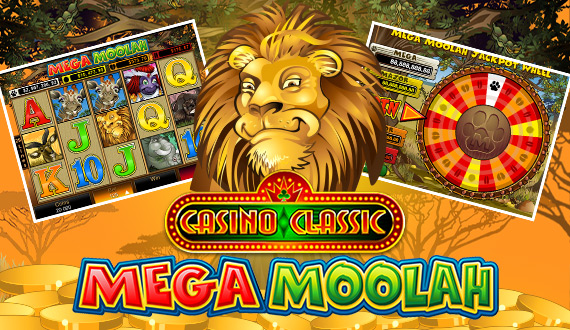
Observing the UK’s online slot scene, you simply cannot miss the social footprint of mega moolah slot ios Moolah. That iconic progressive jackpot does more than create millionaires; it sets off conversations everywhere. By looking at data and community chatter, the unique sharing trends for this Microgaming title become apparent. It’s a constant viral thing. From Twitter frenzies to Facebook groups full of activity, the patterns show how Brits celebrate, moan, and connect over the so-called ‘Millionaire Maker’.
The manner in which Mega Moolah is woven into the UK’s social fabric is a case study in itself. It’s more than a game. It serves as a common cultural reference. The moment a jackpot hits, the wave on social media occurs instantly and can be quantified. This process isn’t just about winning money. It means participating in a communal tale. The anticipation, the reveal, and the fallout form a familiar cycle for players. They participate in it and share it within their own communities.
The game’s special framework enables this. The majority of slots provide regular, minor wins. Mega Moolah’s attraction is unique and immense. It creates a shared, high-stakes event inside the casino world. Every spin holds the same tiny chance. This feeds an intense “you could be next” emotion that drives communal hope and endless talk.
Social sharing acts like a public ledger of what’s possible. Every shared win refreshes the collective belief that the jackpot is attainable. Emotion tracking demonstrates a direct correlation between a significant victory being publicized and a spike in searches for the game over the subsequent two days. The community doesn’t just spectate. It actively participates in crafting the story.
The UK conversation isn’t spread evenly. It gathers on specific platforms, each with a unique role. Facebook is still the heavyweight for community groups. Twitter owns real-time reaction. To grasp the full social impact, you need to understand this ecosystem.
If you dissect a typical UK jackpot win post, you notice a structured pattern. The first post is hardly ever just a screenshot. It tells a story. A three-part formula emerges again and again: the shocked reaction (“I’m actually shaking!”), the proof (that iconic wheel stopped on the jackpot), and frequently some funny or humble plans for the cash. These posts get insane engagement because they sell a dream you can touch. The comments fill up with congratulations and hopeful questions about the bet size.
There’s a timing pattern too. The first share is pure, raw emotion, often posted within minutes. A follow-up appears hours or days later, with reflection and answers to all the questions. This second wave is crucial. It provides details like which casino was used, the bet size (usually a modest £0.25 to £2), and the time of day. For the community’s analytical types, this data is solid gold.
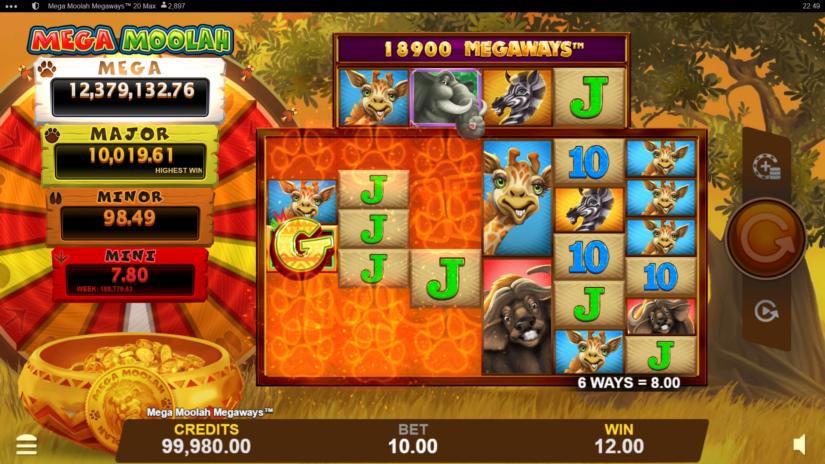
The single most circulated thing is the screenshot of the Mega Moolah bonus wheel. That image is instantly recognisable, even if it’s cropped or blurry. It serves as universal, undeniable proof. Posts with this visual see engagement rates over 70% higher than text-only announcements. It’s a badge of honour that feeds the game’s aspirational engine. Every share is a potent piece of marketing.
The screenshot’s composition conveys a narrative as well. Savvy sharers commonly include the game history or their updated balance for context. The strongest images capture the exact millisecond the wheel pointer lands on the Mega segment. This stilled second, the transition from ordinary player to millionaire, is the core visual myth of the whole game. A fellow player repackages and verifies it for everyone else.
The framing of the story shifts dramatically depending on the platform. On Twitter, it’s succinct and newsy, often tagged with #Megamoolah. Facebook allows for longer, more personal tales, sometimes involving partners or kids. Over on forums like Reddit’s r/OnlineCasinoUK, the share is analytical. Players scrutinize the game history and bet size. This tailoring shows a sharp understanding of what different UK online audiences expect.
Instagram Stories utilize the screenshot as a backdrop for celebratory GIFs and poll stickers asking “What would you do first?”. Niche forums like CasinoMeister host forensic breakdowns, with discussions about the game’s RNG and the win’s legitimacy. Each platform interprets the same event through a different cultural lens. This enhances its reach and how deeply it resonates.
It’s noteworthy. Not all viral content revolves around wins. A large portion of UK social media content highlights the ‘near-miss’. Players share screenshots of the bonus wheel landing one spot away from the Mega Jackpot. The emotion is a distinct blend of frustration and hope, often accompanied by self-deprecating British wit. These posts often get more empathetic engagement than actual wins. They build a solid sense of camaraderie over collective bad luck.
This near-miss phenomenon acts as a mental pressure release. It democratises the Mega Moolah experience. Only a handful will land the mega jackpot, but numerous players will experience the pain of the near-miss. Sharing it turns private frustration into a public joke. It justifies the collective commitment of time and funds. The comment threads are invariably encouraging, filled with crying-laughing emojis and remarks such as “so close, next time!”.
The near-miss narrative has developed into a complete meme style in UK circles. Templates showcase well-known British TV figures or familiar catchphrases (“When the wheel lands on the Minor…”). They are employed across the board. This memeification is a coping mechanism and a social signal. It signals to the group, “I’m in the same boat as you,” and can boost lasting involvement more than a single victory.
These memes often leverage distinct British cultural events. Picture a snippet from *The Only Way Is Essex* showing a dejected face, combined with the Mega Moolah wheel. This ultra-localized comedy renders the content highly relatable and easy to share within the national audience. It establishes an insider vernacular that outsiders don’t entirely understand, which strengthens group unity.
The data indicates strong correlations between sharing frequency and particular moments. Jackpot wins are unpredictable, but the social activity they generate is foreseeable. Holiday times, especially Christmas and New Year, experience a rise in both playing and sharing. The story of “winning for Christmas” is a strong one. During national occasions like football tournaments, shares often link the win to backing a team or celebrating a victory. This weaves the game deeper into UK leisure culture.
The “holiday jackpot” is a particular kind of story. Wins posted in late December get framed as transformative rewards. Captions concentrate on clearing debts or financing family holidays. This emotional aspect substantially increases engagement. Spikes also occur around payday weekends, where shares come with discussions about discretionary spending. Notably, a major UK sports loss can trigger more shares too, as players joke about seeking solace or a turnaround of luck.
There’s another, minor loop. When the Mega Jackpot is reset to a reduced, “must-win” seed amount, forum and group discussions heat up. Players exchange tactics about the supposed better quality. This results in a wave of activity screenshots and theoretical talks, even before a win occurs.
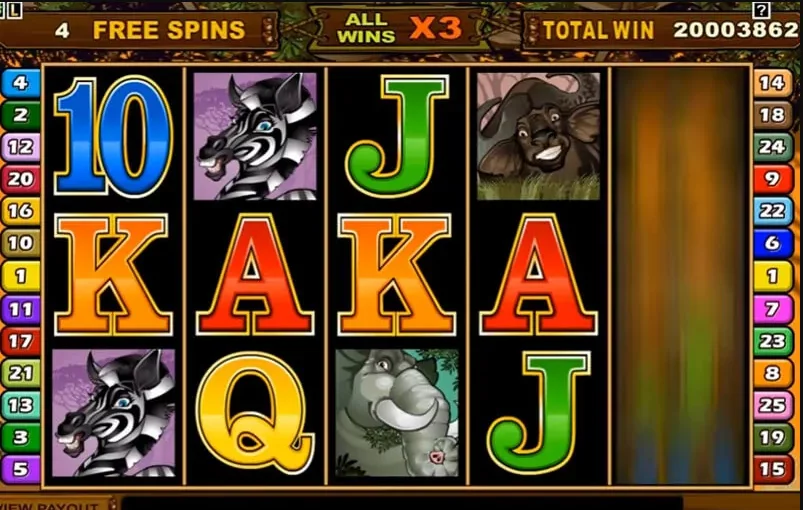
Comparing Mega Moolah’s social trends to leading slots like Book of Dead or Bonanza is telling. Those games generate shares centered around big base game wins or exciting bonus round features. They’re about thrilling gameplay moments. Mega Moolah’s social world is almost wholly jackpot-centric. The talk is not about the journey and nearly completely about the life-changing destination. This creates a more high-stakes, more ambitious, and potentially more viral social ecosystem.
This distinction is significant. It means Mega Moolah’s social media strategy, for both players and operators, is completely different. It isn’t about highlighting frequent action. It’s about celebrating in a big way rare, landmark moments.
UK-licensed casinos aren’t passive observers. They deliberately steer the sharing trend. When a Mega Moolah jackpot is won on their site, they quickly craft social posts highlighting the player (with permission). This serves two purposes. It offers authentic social proof and immediately attributes their brand. Smart operators create winner spotlight stories or even interviews. They turn a single transaction into weeks of engaging, shareable content for their whole follower base.
Their tactics have many layers. They employ social media managers to monitor player shares and then interact, asking to feature the win. Some run parallel competitions, urging users to share their own “dream win” scenarios for free spins. This transforms a single event into a participatory campaign. Operators also offer branded graphic templates for winners to use. It’s a clever way to ensure their logo spreads with the viral image.
This amplification is a deliberate move. By spotlighting a huge win, they also promote the life-changing potential of gambling. So, they carefully pair this content with responsible gambling signposting and age-gating. Walking this tightrope is a defining part of the UK operator’s role in the sharing ecosystem.
The UK’s stricter betting regulations have inadvertently influenced trend distribution. With direct advertising limited, content from users and word-of-mouth have become significantly more valuable. A post from a real winner is the ultimate trusted endorsement. Gamblers have risen as de facto brand representatives. Also, the focus on responsible gambling has seeped into the discourse. A lot of shares now contain hints about “responsible gaming” or “setting caps”. This reflects a more mature tone in the community.
The prohibition on endorsements by celebrities and influencers in betting ads created a void. Stories of ordinary people have taken its place. This elevated the importance of the confirmed winner’s post from a simple share to a vital promotional tool. Casinos now actively court these shares, sometimes offering small bonuses for featuring wins. The regulatory environment has turned the user community into the primary distribution channel.
Simultaneously, the demand for straightforward responsible betting communication has transformed the phrasing used in descriptions. Nowadays, you frequently see disclaimers such as “This is a massive victory but always play safe” added to exuberant updates. This dual tone, both celebratory and cautious, is a uniquely modern British phenomenon in gambling social shares. It was born directly from the regulatory climate.
Looking at present trends, a few developments look likely. The growth of short-form video (TikTok, Reels) will render quick-cut videos of the spinning wheel crucial. Expect more win reaction clips, not just snapshots. Additionally, as AR tech advances, we could see players sharing AR filters that put the Mega Moolah wheel in their personal spaces. This might blend the game more deeply with online persona. In conclusion, blockchain and provable win logs could trigger a new wave of open, evidence-based content sharing. This would add another level of authenticity and debate.
The move to short-form video will prioritise genuine, real moments. A 15-second TikTok displaying a player’s real-time reaction to the wheel hitting on Mega will be the top content. This calls for a different kind of filmmaking from players. It moves them from passive capturing to active video recording. “Join me as I prepare to spin Mega Moolah” style videos are likely to increase too, creating storytelling suspense.
Looking further, alignment with social VR platforms could revolutionize everything. Visualize a player posting their win from inside a digital casino space, rejoicing with avatars of friends. This would add a deep layer of social presence that’s absent now. Additionally, as data mobility improves, we may witness “win verification” badges on social profiles. A major jackpot would become a permanent, authentic part of one’s digital persona. That would spark completely new types of community value and debate within the gaming community.
